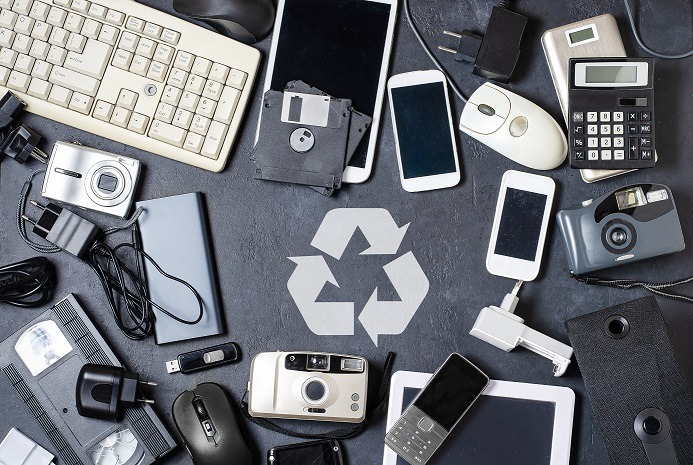
As the world becomes more digital, schools and colleges are using more devices than ever—laptops, tablets, projectors, smartboards, and more. But with this rise in technology use comes a growing problem: electronic waste, or e-waste.
Educational institutions have a unique opportunity—not just to manage their own e-waste responsibly, but to inspire a culture of environmental responsibility in the next generation.
🧠 Why E-Waste Education Matters in Schools
-
Early Awareness: Students who learn about e-waste early are more likely to develop lifelong sustainable habits.
-
Hands-On Learning: E-waste initiatives can be tied to science, technology, environmental studies, and even entrepreneurship.
-
Community Impact: Schools can serve as central collection points for families and communities to safely dispose of old electronics.
🏫 What Schools and Colleges Can Do
1. Start an E-Waste Drive
Organize monthly or annual e-waste collection events on campus. Partner with certified recyclers and encourage students, staff, and parents to drop off unused or broken electronics.
2. Create Educational Programs
Incorporate e-waste awareness into classroom activities—discussions, posters, competitions, and even recycling projects.
📌 Tip: Host an “E-Waste Awareness Week” with guest speakers, interactive exhibits, and recycling challenges.
3. Set Up Campus Recycling Bins
Place clearly marked bins in key locations for items like batteries, cables, and small electronics. Make sure to explain where the waste goes and how it’s processed.
4. Repair and Reuse Instead of Replace
Encourage IT teams to repair school devices instead of discarding them. Use older equipment for training or backup use whenever possible.
🌍 Real-World Impact
When a school takes the lead in e-waste recycling:
-
It reduces toxic waste in local landfills
-
Sets an example for students and their families
-
Encourages eco-conscious thinking across all age groups
-
Fosters responsibility and innovation through sustainability projects
📚 Conclusion: Education Beyond the Classroom
E-waste education is more than a lesson—it's a movement. Schools and colleges have the power to lead it. By embedding sustainability into everyday learning and operations, they help shape a future that’s not just smarter, but greener.