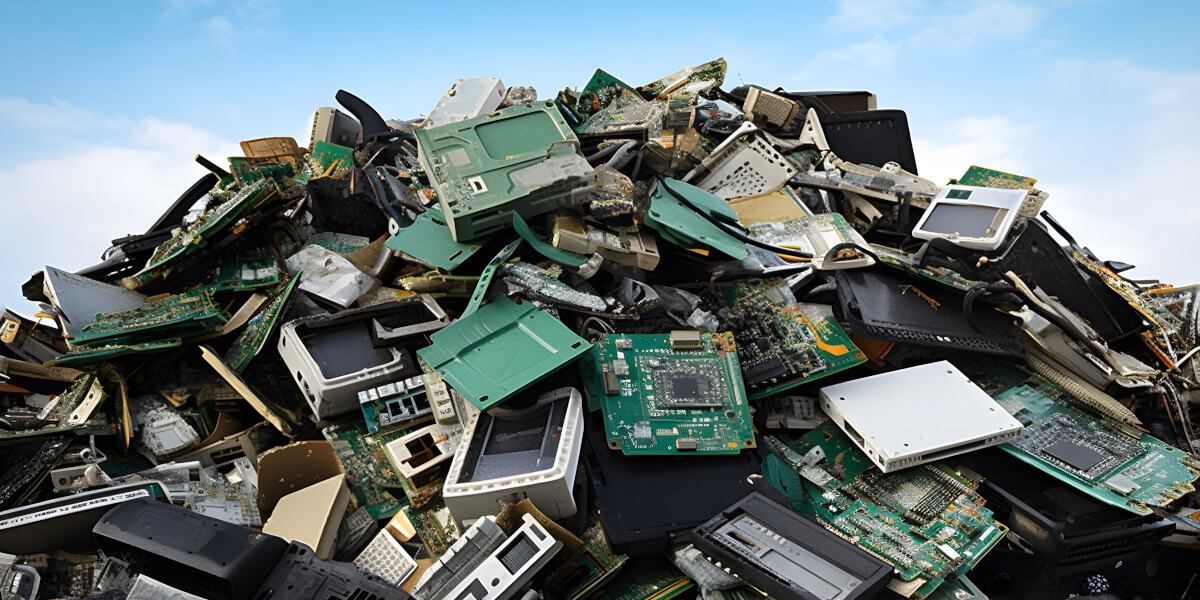
In a world where new smartphones launch every year and devices become “old” within months, electronic waste—or e-waste—has quietly become one of the fastest-growing environmental issues of our time.
Every charger tossed in the bin, every outdated laptop forgotten in a drawer, adds to a growing global challenge. But what exactly is e-waste, and what can we do about it?
📦 What Is E-Waste?
E-waste includes any discarded electronic device or component: smartphones, TVs, laptops, tablets, cables, batteries—even kitchen appliances. As technology advances, the lifecycle of these gadgets shrinks, leading to more and more electronics being thrown away.
⚠️ Why It’s a Problem
-
Toxic Materials – Electronics contain harmful chemicals like lead, mercury, and cadmium. When dumped in landfills, these substances can leak into soil and water, posing serious health risks.
-
Environmental Damage – Improper disposal contributes to pollution, greenhouse gas emissions, and resource depletion.
-
Wasted Resources – Many discarded electronics still contain precious materials like gold, copper, and rare earth metals—resources that could be reused rather than mined anew.
🔁 The Power of Recycling
Recycling isn’t just about getting rid of old gadgets responsibly—it’s about closing the loop:
-
🌍 Protects the environment by reducing landfill waste and toxic leakage
-
🔧 Recovers valuable materials for reuse in manufacturing
-
💼 Creates jobs in the green economy
-
🔋 Conserves energy and raw resources by reusing what we already have
✅ What You Can Do
-
Donate or resell working electronics instead of throwing them away
-
Recycle through certified e-waste programs or tech company take-back schemes
-
Buy smart—choose durable, repairable devices and avoid unnecessary upgrades
-
Educate others on responsible e-waste habits
🌟 A Smarter Way Forward
E-waste is a growing problem—but it doesn’t have to be. By making conscious choices and supporting recycling efforts, we can reduce our environmental impact and build a more sustainable digital future.
It’s not just about what we throw away—it’s about what we choose to value.