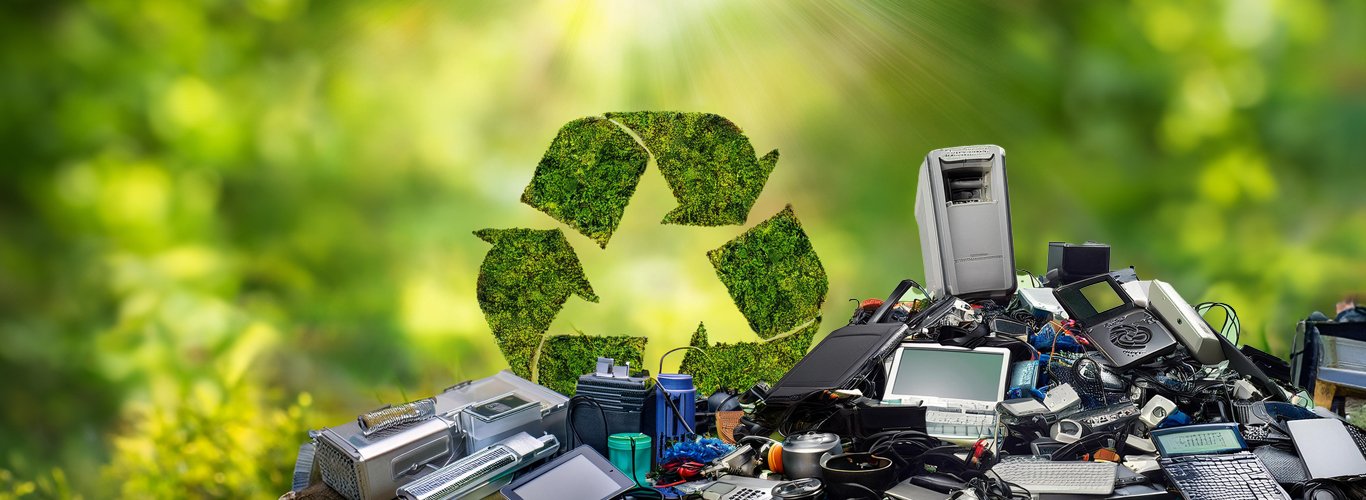
In today’s fast-paced, tech-driven world, it’s easy to get caught up in the excitement of the latest gadgets. A new phone every year, upgraded laptops, smartwatches, and countless accessories—our digital lives are more connected than ever. But behind this progress lies a silent crisis: electronic waste, or e-waste.
Every time we discard an old device, we contribute to a growing global problem. E-waste is the world’s fastest-growing waste stream, and much of it ends up in landfills, leaking toxic substances into the environment. Yet, within this discarded tech lies potential—not just for reuse, but for recovery and renewal. It’s time we stop seeing e-waste as junk and start seeing it as an opportunity for change.
What is E-Waste?
E-waste refers to any electronic product that has reached the end of its useful life. This includes:
-
Mobile phones
-
Laptops and computers
-
Televisions and monitors
-
Cables and chargers
-
Kitchen appliances
-
Batteries and circuit boards
-
Printers, scanners, and other peripherals
Anything with a plug, battery, or circuit can be considered e-waste when it’s no longer needed.
Why Is E-Waste a Problem?
The sheer volume of e-waste is staggering. According to the Global E-waste Monitor 2020, the world generated over 53 million metric tons of e-waste in a single year—and only 17.4% of it was formally collected and recycled. The rest? Either dumped in landfills, incinerated, or informally recycled in unsafe conditions.
Here’s why it’s a serious concern:
1. Toxic Components
E-waste contains harmful substances like lead, mercury, cadmium, and brominated flame retardants. When improperly disposed of, these toxins seep into soil and water, harming ecosystems and human health.
2. Environmental Damage
Burning or burying e-waste releases pollutants into the air and water. It contributes to climate change, damages biodiversity, and threatens clean water sources.
3. Lost Resources
Ironically, while e-waste is harmful, it’s also rich in valuable materials like gold, copper, silver, aluminum, and rare earth metals. Discarding devices without recycling means we’re throwing away finite resources that could be reused.
The Benefits of E-Waste Recycling
Recycling e-waste isn’t just about reducing harm—it’s about creating value.
1. Resource Recovery
Recyclers extract precious metals and components that can be reused in new products, reducing the need for mining and conserving raw materials.
2. Job Creation
E-waste recycling supports the circular economy by creating green jobs in collection, sorting, refurbishing, and processing.
3. Energy Savings
Recycling uses significantly less energy than extracting and refining raw materials. For example, recycling aluminum saves 95% of the energy compared to producing it from bauxite ore.
4. Safe Disposal
Certified recyclers follow environmental and safety protocols, preventing harmful chemicals from entering the environment.
How Is E-Waste Recycled?
The recycling process typically involves:
-
Collection & Transportation – E-waste is gathered from households, businesses, and drop-off points.
-
Sorting & Dismantling – Devices are manually dismantled and separated into plastics, metals, glass, and hazardous parts.
-
Shredding & Separation – Components are shredded and separated using magnets, eddy currents, and water.
-
Refining & Reuse – Materials are purified and sold for manufacturing new products.
Some items, like working computers or phones, are refurbished and reused, giving them a second life.
What You Can Do
Change starts with awareness—and action. Here’s how you can make a difference:
✅ Think Before You Buy
Buy only what you need. Consider quality over quantity, and look for devices built to last or made from recycled materials.
✅ Donate or Sell
Working devices can be donated to schools, charities, or resold. One person’s “old” phone might be someone else’s lifeline.
✅ Use Certified Recyclers
Avoid tossing electronics in regular trash. Use certified e-waste recycling programs or drop-off points.
✅ Support Brands with Take-Back Programs
Many tech companies now offer take-back or trade-in programs for used electronics. Apple, Dell, HP, and others have initiatives to recycle old products responsibly.
✅ Educate Others
Spread the word. Encourage friends, family, and your workplace to adopt e-waste recycling habits.
A Future Built on Sustainability
We live in a time of immense innovation—but true progress means balancing technology with responsibility. By recycling e-waste, we’re not just protecting the planet—we’re paving the way for a more circular, efficient, and conscious economy.
Let’s transform how we treat our tech. Let’s turn trash into treasure.